Transform Tiny Spaces: The Ultimate Guide to Indoor Plants

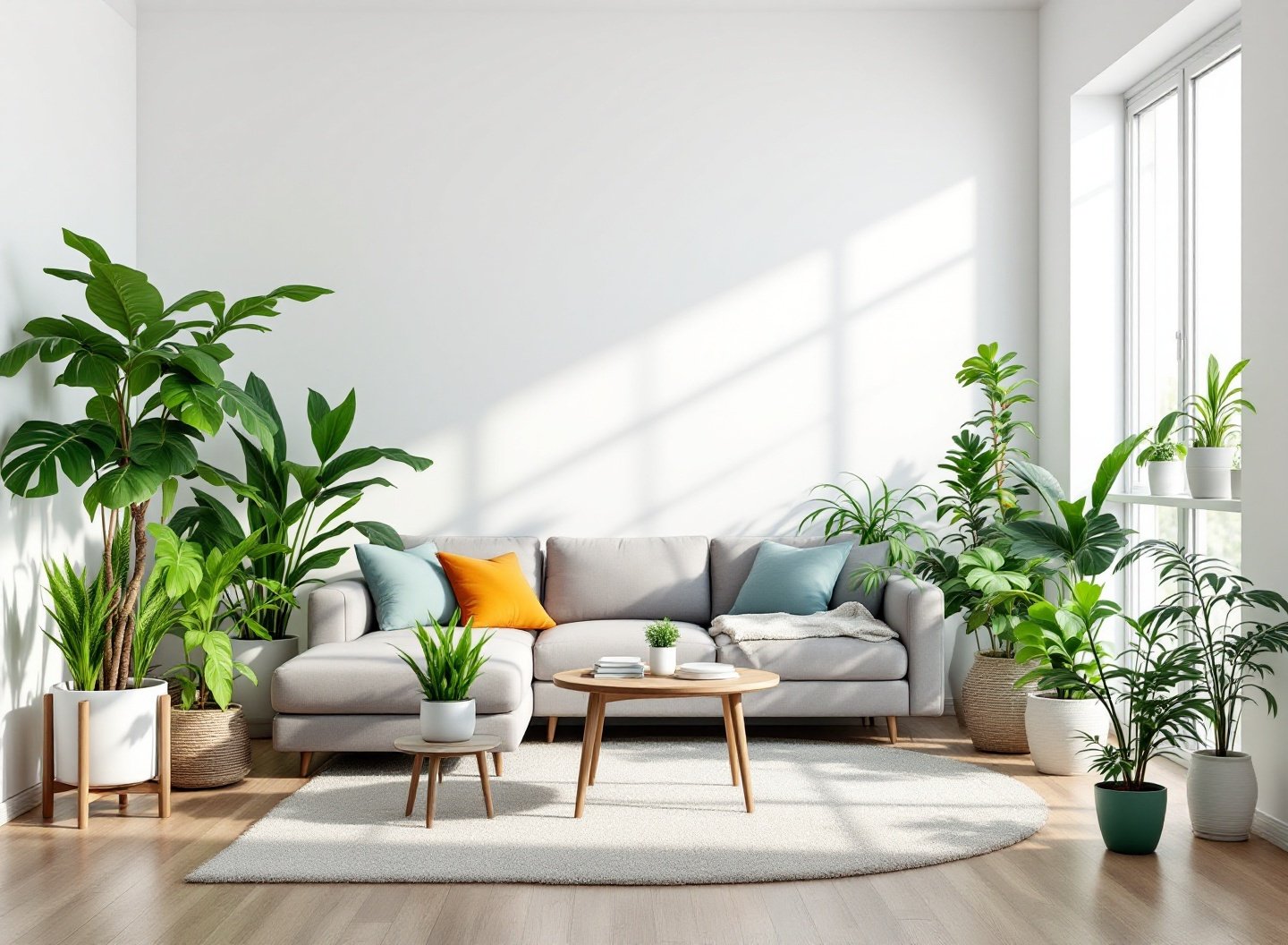
Living in a small space doesn’t mean you have to sacrifice having a lush, green environment. In fact, cultivating plants in compact areas is not only possible but also immensely rewarding.
The challenge lies in selecting the right plants that thrive in limited conditions.
Throughout my experience guiding urban dwellers in maximizing their greenery potential, I’ve discovered that the secret isn’t just choosing the right plants—it’s understanding their needs and creative placement.
Let’s delve into how you can transform even the tiniest of spaces into a thriving green oasis.
Quick Facts Summary:
- Succulents require minimal water and thrive in sunny spots.
- Ferns flourish in indirect light and humid environments.
- Vertical gardens maximize space by utilizing wall area efficiently.
Choosing the Right Plants for Small Spaces
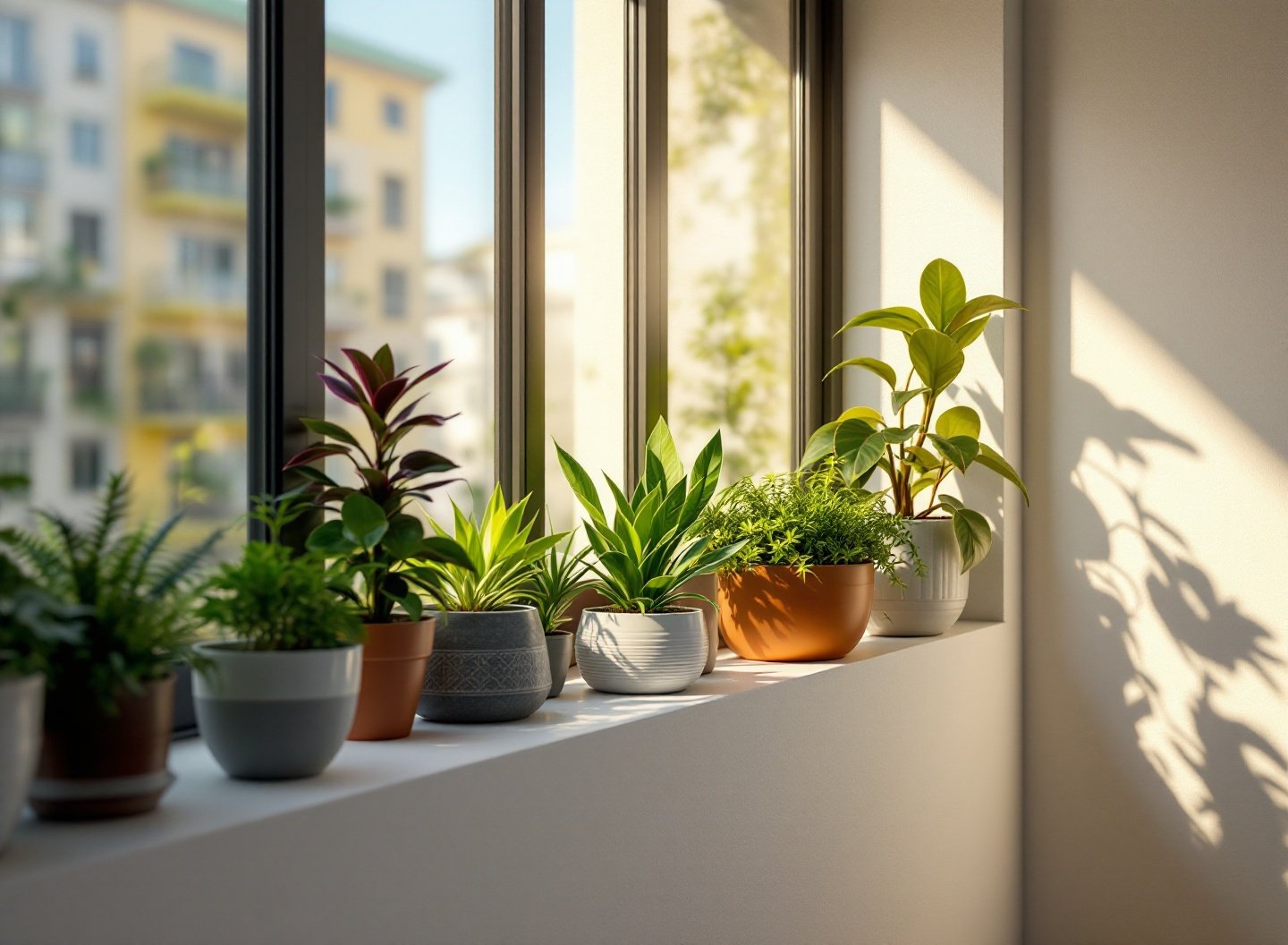
When it comes to selecting the best plants for small spaces, consider their growth habits and maintenance requirements. Succulents, for example, are ideal as they require minimal care and enjoy sunny spots, making them perfect for windowsills. Ferns, on the other hand, are excellent for areas with indirect light and higher humidity, such as bathrooms or shaded corners.
Their lush fronds can add a touch of nature to any nook.
Another fantastic option is Pothos, known for its trailing vines and ability to thrive in various light conditions. Whether hung in a basket or placed on a shelf, Pothos adds vibrant greenery without taking up much space.
For those looking to add a splash of color, African Violets are compact and bloom with bright, cheerful flowers.
Maximizing Space with Vertical Gardens
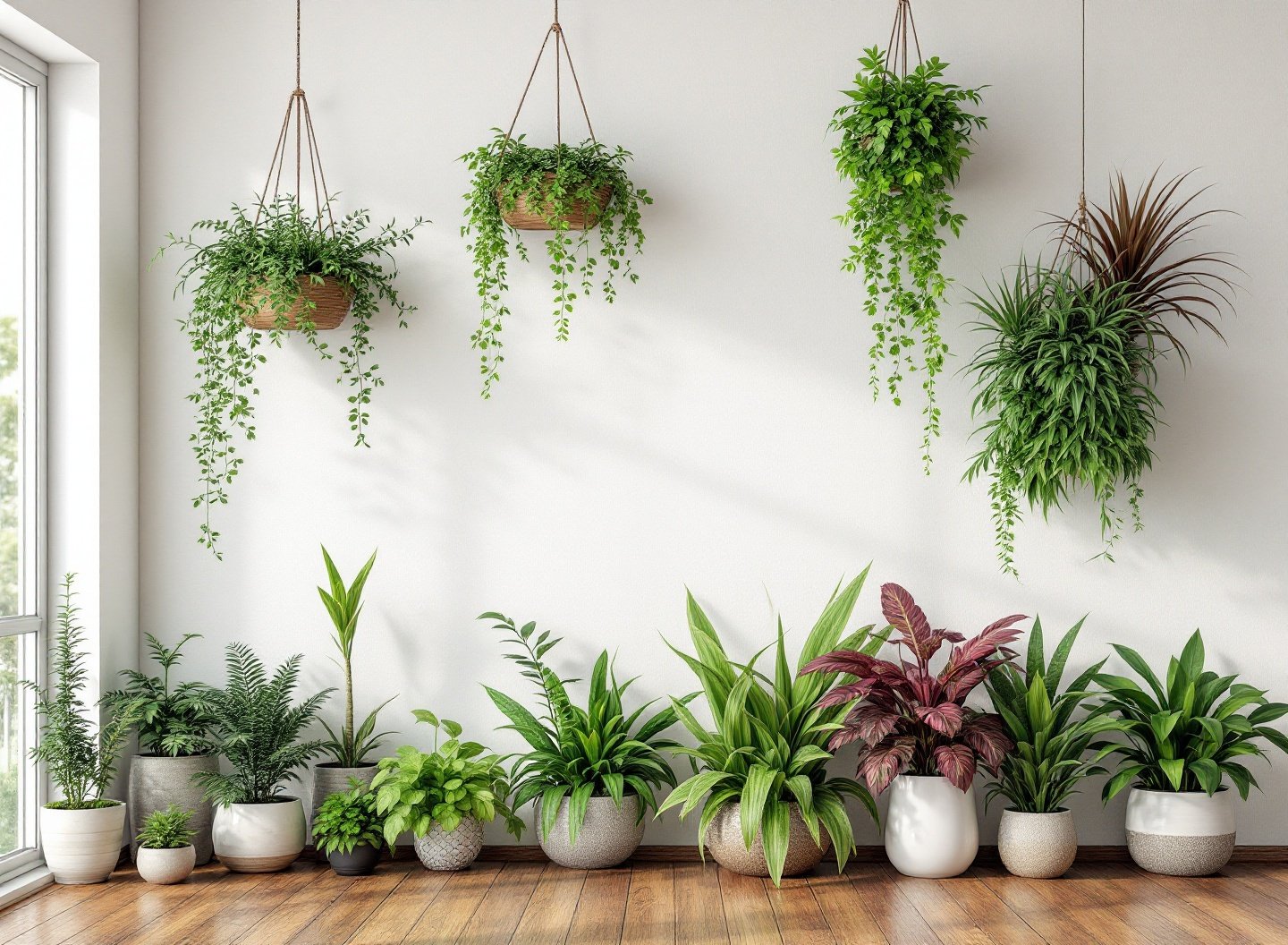
One of the most effective ways to incorporate plants into a small area is by using vertical space. Vertical gardens not only save floor space but also create stunning visual displays. Consider installing wall planters or using hanging pots.
These setups allow plants like Spider Plants and Philodendrons to cascade beautifully, adding depth and dimension to any room.
Benefits of Vertical Gardens
| Concept | Benefit | Tip |
|---|---|---|
| Space Efficiency | Uses wall space, freeing up floor area | Opt for modular wall planters for flexibility |
| Aesthetic Appeal | Creates a living art piece | Mix different textures for visual interest |
| Improved Air Quality | Plants help filter and purify the air | Choose air-purifying plants like Snake Plant |
Creative Plant Placement Ideas
Smart placement of plants can make a significant difference in how your space feels. Consider placing plants at different heights to draw the eye upwards and give the illusion of more space.
Use plant stands, shelves, and window ledges to create layers of greenery. Hanging baskets are perfect for kitchens or entryways, while corner plant stands can transform neglected spaces into focal points.
For a multifunctional approach, integrate plants into furniture. A coffee table with a built-in planter or a bookshelf adorned with small pots not only maximizes space but also enhances your decor.
Such creative strategies ensure that every inch of your home contributes to a vibrant and lively atmosphere.
Maintenance Tips for Indoor Plants
Maintaining plants in small spaces requires understanding their specific needs and being consistent with care. Most indoor plants thrive with regular watering schedules, but it’s crucial to avoid overwatering, which can lead to root rot.
Ensure pots have drainage holes to prevent water accumulation.
Lighting is another critical factor. While some plants, like succulents, need direct sunlight, others, such as ferns, prefer indirect light. Regularly dusting the leaves and rotating the plants can ensure even growth and exposure to light.
Additionally, feeding your plants with appropriate fertilizers during growing seasons can boost their health and vitality.
Conclusion
Creating a green oasis in a small space is entirely achievable with the right plants and strategies.
By selecting species that suit your environment, utilizing vertical spaces, and maintaining consistent care, you can enjoy the benefits of a lush, inviting home.
Whether it’s the calming influence of greenery or the aesthetic boost it provides, plants can transform your living area into a sanctuary.
Ready to turn your small space into a green haven? Share this article directly on WhatsApp or Telegram with friends who also need to embrace the power of indoor plants!
Frequently Asked Questions (FAQ)
What are the best low-light plants for small spaces?
Some of the best low-light plants include Snake Plant, Pothos, and ZZ Plant. These plants can thrive in areas with limited natural light.
How often should I water indoor plants?
Watering frequency depends on the plant type and environment. Generally, most indoor plants need water once a week, but always check the soil moisture before watering.
Can I grow edible plants in small spaces?
Yes, you can grow herbs like basil, mint, and parsley in small indoor spaces. They require minimal space and can be grown in small pots on windowsills.
How can I improve air quality with indoor plants?
Plants like Peace Lily, Spider Plant, and Boston Fern are known to improve air quality by filtering toxins and adding oxygen to the air.
ENTREGA FINAL (META TAGS): No final de tudo, gere os seguintes metadados:
- Meta Title: Best Plants for Small Spaces: Create Your Green Oasis
- Meta Description: Discover the best plants for small spaces and create your green oasis today! Perfect for urban living.
- Descrição LLMs: Learn how to transform small spaces with the best plants. From succulents to ferns, explore options that suit your environment. Maximize vertical space, improve air quality, and maintain your indoor garden effortlessly.
- Tags: small spaces, indoor plants, vertical gardens, plant care, succulents, ferns, home decor
Perguntas Frequentes (FAQ)
What are the best low-light plants for small spaces?
Some of the best low-light plants include Snake Plant, Pothos, and ZZ Plant. These plants can thrive in areas with limited natural light.
How often should I water indoor plants?
Watering frequency depends on the plant type and environment. Generally, most indoor plants need water once a week, but always check the soil moisture before watering.
Can I grow edible plants in small spaces?
Yes, you can grow herbs like basil, mint, and parsley in small indoor spaces. They require minimal space and can be grown in small pots on windowsills.
How can I improve air quality with indoor plants?
Plants like Peace Lily, Spider Plant, and Boston Fern are known to improve air quality by filtering toxins and adding oxygen to the air.